Introduction
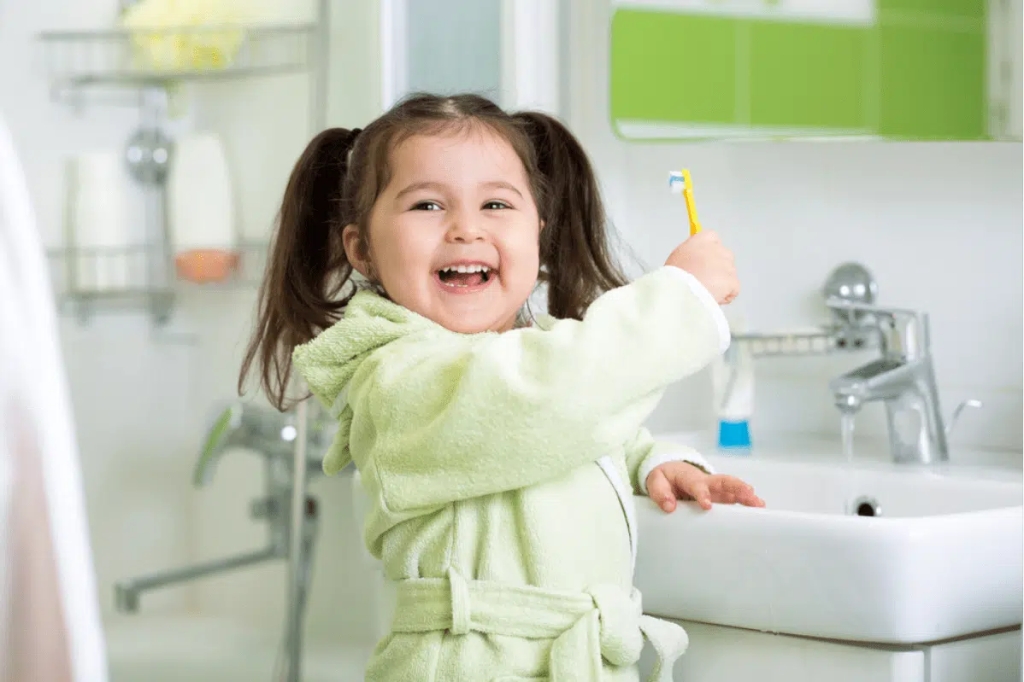
Oral health is a critical component of overall well-being, and it’s never too early to start instilling good dental habits in your children. The foundation for a lifetime of healthy teeth and gums begins in childhood, making it essential for parents to prioritize oral care from a young age. In this comprehensive guide, we will explore the importance of oral care for children and provide valuable tips and strategies to help you build healthy dental habits that will last a lifetime.
The Importance of Oral Care for Children
Proper oral care for children is crucial for several reasons. First and foremost, it sets the stage for a lifetime of healthy teeth and gums, reducing the risk of dental issues such as cavities, gum disease, and orthodontic problems. Additionally, good oral hygiene habits in childhood can have far-reaching effects on a child’s overall health and self-esteem.
- Prevention of Dental Issues: Developing good oral care habits early on can help prevent common dental problems such as cavities and tooth decay. Children who practice proper oral hygiene are less likely to experience painful dental issues that may require costly and invasive treatments.
- Overall Health: The health of the mouth is closely connected to the health of the rest of the body. Poor oral hygiene can lead to systemic health problems, including heart disease and diabetes. Teaching children to care for their teeth and gums can contribute to their overall well-being.
- Self-Esteem and Confidence: A healthy, beautiful smile can boost a child’s self-esteem and confidence. When children have clean, well-maintained teeth, they are more likely to feel good about themselves and their appearance.
Now that we understand the significance of oral care for children, let’s delve into the practical aspects of building healthy dental habits from a young age.
Start Early: The First Tooth
The journey to a lifetime of good oral health begins as soon as your child’s first tooth emerges. This typically occurs around six months of age. Here’s what you can do:
- Gentle Cleaning: Use a soft, damp cloth or a baby toothbrush to gently clean your baby’s first tooth. This removes any bacteria or milk residue that can contribute to tooth decay.
- Limit Sugar Intake: Avoid giving your baby sugary liquids like fruit juices in bottles, as this can lead to “baby bottle tooth decay.” Stick to water when your baby is thirsty.
- First Dental Visit: Schedule your child’s first dental appointment around their first birthday. This early visit allows the dentist to monitor your child’s oral development and provide guidance on oral care. Visit for best consultation from edina dentist
Teaching Proper Brushing and Flossing
As your child grows, it’s essential to teach them how to brush and floss correctly. Here are some tips:
- Lead by Example: Children often learn by observing their parents. Brush and floss your teeth together to demonstrate the importance of these habits.
- Choose Child-Friendly Tools: Use child-sized toothbrushes and toothpaste with fluoride appropriate for their age. Let them pick a toothbrush with their favorite character or color to make it more engaging.
- Supervise and Assist: Young children may not have the dexterity to brush effectively on their own. Supervise their brushing and assist as needed until they can do it independently, usually around age 6.
- Make it Fun: Turn brushing and flossing into a fun activity. Play their favorite song and encourage them to brush for the duration of the song. There are also educational apps and toothbrushes with built-in timers that can make brushing more enjoyable.
Balanced Diet for Healthy Teeth
Diet plays a significant role in oral health. Encourage your child to eat a balanced diet that supports strong teeth and gums:
- Limit Sugary Snacks: Minimize sugary snacks and beverages, especially between meals. Sugars feed harmful bacteria in the mouth, leading to cavities.
- Calcium-Rich Foods: Include dairy products, leafy greens, and fortified foods in their diet. Calcium is essential for strong teeth.
- Water is Key: Promote water consumption over sugary drinks. Water helps wash away food particles and keeps the mouth hydrated.
Regular Dental Check-ups
Regular dental check-ups are vital for monitoring your child’s oral health and catching any issues early. Here’s what you need to know:
- Schedule Appointments: Plan regular dental visits, typically every six months. These visits are an opportunity for the dentist to clean your child’s teeth, check for any problems, and provide guidance on oral care.
- Address Dental Anxiety: Some children may feel anxious about visiting the dentist. Choose a pediatric dentist who specializes in treating children and creates a friendly, reassuring environment.
- Ask Questions: Don’t hesitate to ask the dentist questions about your child’s oral care routine, diet, and any concerns you may have.
Protecting Teeth During Physical Activities
If your child is involved in sports or physical activities, consider using a mouthguard to protect their teeth from injury. A well-fitted mouthguard can prevent chipped or knocked-out teeth and reduce the risk of oral trauma.
Addressing Orthodontic Concerns
Orthodontic issues can develop as a child’s permanent teeth come in. It’s essential to be vigilant and address any concerns promptly. Some signs that may indicate orthodontic issues include:
- Crowded or crooked teeth
- Difficulty chewing or biting
- Thumb-sucking or prolonged pacifier use
- Early loss of baby teeth
If you notice any of these signs, consult with an orthodontist to discuss treatment options, which may include braces or other orthodontic appliances.
Conclusion
In conclusion, oral care for children is a fundamental aspect of their overall health and well-being. By starting early and instilling good dental habits, parents can set their children on the path to a lifetime of healthy teeth and gums. Remember to lead by example, make oral care fun, and prioritize regular dental check-ups. With your guidance and support, your child can enjoy a beautiful smile and excellent oral health throughout their life.
