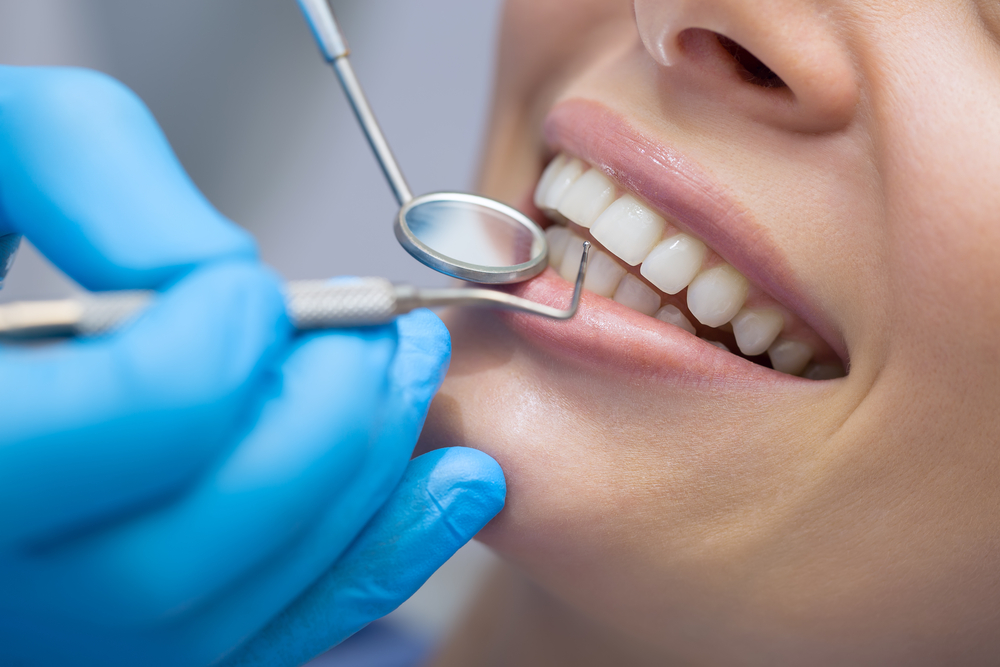
In our pursuit of well-being, the importance of oral health often takes a backseat. However, the role of dentists extends far beyond cavity fillings and teeth cleanings. Oral health is intricately connected to overall health and wellness, and dentists play a crucial role in maintaining and promoting both. In this article, we delve into the multifaceted contributions of surgical orthodontics to our holistic health.
Oral Health as a Gateway to Overall Wellness
The Oral-Systemic Connection:
Dentists are not just concerned with the health of your teeth and gums; they also recognize the profound connection between oral health and the overall well-being of the body. Scientific research has established a clear link between oral health and systemic conditions, such as cardiovascular disease, diabetes, and respiratory infections. Dentists are frontline guardians, addressing oral issues that may impact the entire body.
Prevention is Key:
Dentists emphasize preventive care as a cornerstone of their practice. Regular dental check-ups and cleanings not only help maintain good oral health but also contribute to the prevention of systemic diseases. By addressing dental issues early on, dentists play a pivotal role in averting potential health complications down the road.
Beyond the Drill: The Holistic Approach of Dentistry
Nutritional Counseling:
Dentists are increasingly adopting a holistic approach that extends beyond the dental chair. They provide valuable nutritional counseling to patients, recognizing the impact of diet on oral health. A balanced diet not only supports strong teeth and gums but also contributes to overall vitality.
Stress Management and Oral Health:
Stress is a significant contributor to oral health problems, including teeth grinding and temporomandibular joint (TMJ) disorders. Dentists are attuned to the connection between stress and oral health, offering guidance on stress management techniques to mitigate its impact on the teeth and surrounding structures.
Dental Innovations: Advancing Healthcare on Multiple Fronts
Technological Advancements:
The field of dentistry has witnessed rapid technological advancements that go beyond traditional dental procedures. From digital X-rays that reduce radiation exposure to laser dentistry for minimally invasive treatments, dentists leverage cutting-edge technologies to enhance patient care. These innovations not only improve dental outcomes but also contribute to overall health by reducing the invasiveness of procedures.
Tele-dentistry:
In the digital age, dentists are embracing tele-dentistry to reach a broader audience and provide remote consultations. This accessibility promotes regular dental check-ups and facilitates early intervention, positively impacting both oral health and overall well-being.
Specialized Care: Dentistry’s Role in Chronic Disease Management
Oral Health and Diabetes:
Dentists play a pivotal role in the management of chronic conditions such as diabetes. Individuals with diabetes are at a higher risk of oral health issues, and dentists collaborate with healthcare teams to ensure comprehensive care that addresses both dental and systemic aspects of the disease.
Periodontal Health and Heart Disease:
Periodontal health is intricately linked to cardiovascular health. Dentists work in tandem with cardiologists to manage patients with heart conditions, recognizing that maintaining healthy gums can contribute to overall cardiovascular well-being.
Pediatric Dentistry: Laying the Foundation for Lifelong Health
Early Intervention and Habits:
Dentists specializing in pediatric care play a crucial role in shaping lifelong oral health habits. Early intervention for issues such as malocclusion and cavities sets the stage for a lifetime of healthy smiles. Moreover, educating parents on proper oral hygiene practices ensures that children develop habits that contribute to overall health.
Orthodontics and Beyond:
Beyond aesthetics, orthodontic interventions contribute to proper jaw development and can address issues that may impact speech, breathing, and overall facial structure. Pediatric dentists collaborate with orthodontists to provide comprehensive care that goes beyond the cosmetic aspects of orthodontic treatment.
The Role of Dentists in Public Health Initiatives
Community Outreach and Education:
Dentists actively engage in community outreach programs to promote oral health education. By participating in health fairs, school programs, and community events, they contribute to raising awareness about the importance of oral hygiene and its connection to overall health.
Access to Dental Care:
Dentists advocate for improved access to dental care, recognizing that disparities in oral health can contribute to broader health inequities. They actively participate in initiatives to expand access to dental services, particularly in underserved communities, ensuring that oral health is an integral part of overall health for everyone.
Conclusion: Dentistry as a Pillar of Comprehensive Healthcare
In conclusion, the role of dentists in overall health and wellness is multifaceted and goes beyond the traditional image of a dental check-up. Dentists serve as guardians of our oral and systemic health, emphasizing prevention, adopting a holistic approach, and leveraging technological advancements to provide cutting-edge care. Whether addressing chronic conditions, guiding nutritional choices, or shaping the oral health habits of the youngest members of society, dentists are integral to our pursuit of holistic well-being. Recognizing the interconnectedness of oral health with the health of the entire body, the dental profession stands as a vital pillar in the framework of comprehensive healthcare. Regular dental visits, preventive care, and collaboration between dental and medical professionals are essential elements in ensuring that our smiles not only remain bright but also contribute to our overall health and wellness.
